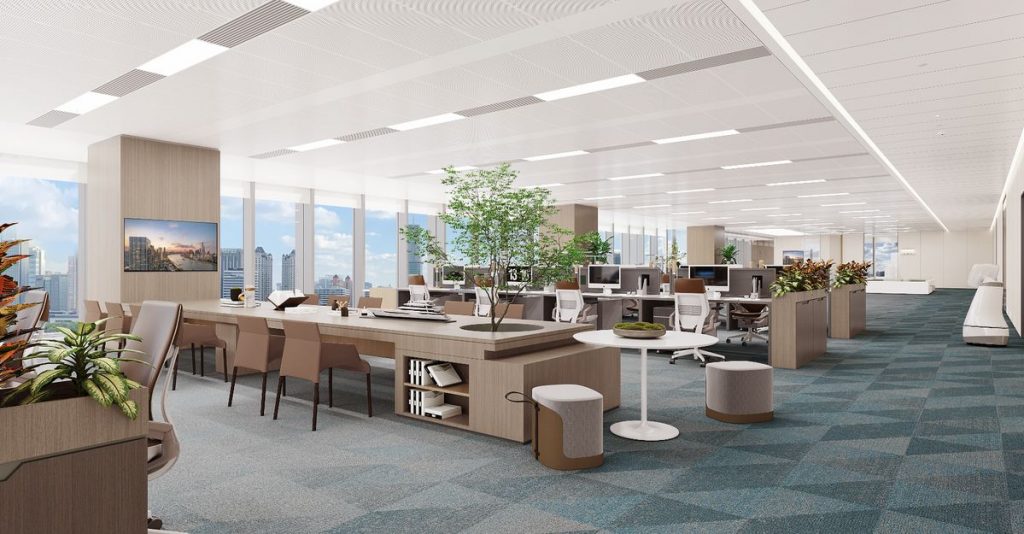
Mid Size Office Design with smart layout and modern workspace planning

Designing a workspace today is not just about desks and chairs. A well-planned Mid Size Office Design can improve teamwork, increase focus, and support business growth. If your company has 50 to 200 employees, space planning becomes even more important. You need balance — enough collaboration areas, private work zones, and room to scale.

Many growing businesses struggle with layout decisions. Should you go open plan? Add cabins? Create hybrid zones? The answer depends on smart planning and the right office design and fitout strategy.

In this guide, we’ll break down practical ideas that work in real offices — not just in pictures.

Why Mid Size Office Design Matters More Than Ever

A recent workplace study by JLL found that well-designed offices can improve employee productivity by up to 20%. That’s a big impact for any company.

Mid-sized offices sit in a unique position:

  • Too large for simple layouts

  • Too small for wasted space

  • Flexible but budget-sensitive

A smart Mid Size Office Design helps you:

  • Use every square foot wisely

  • Improve employee comfort

  • Reduce noise and distractions

  • Prepare for future expansion

Companies like Genesis Blink Facilities focus on practical layouts that balance function with comfort, especially for corporate and IT environments.

Smart Layout Ideas for Mid Size Office Design

1. Hybrid Open Layout

A hybrid layout combines open seating with quiet zones and cabins.

Best for: IT companies, marketing teams, startups

Key features:

  • Open desks for teams

  • Glass cabins for managers

  • Meeting pods for private calls

  • Breakout collaboration areas

This approach supports teamwork while maintaining privacy.

2. Zoning Strategy for Better Flow

Instead of random placement, divide your office into zones:

  • Workstations zone

  • Meeting & collaboration zone

  • Leadership cabins

  • Break & recharge area

  • Reception & waiting area

Clear zoning improves movement and reduces confusion. In Mid Size Office Design, flow matters more than decoration.

3. Flexible Workstations

Modern businesses change fast. Your layout should too.

Consider:

  • Modular desks

  • Movable partitions

  • Foldable meeting tables

  • Multi-use rooms

Flexible planning makes your office design and fitout future-ready.

Space Planning Tips That Actually Work

Space planning is the backbone of successful Mid Size Office Design.

1. Plan 80–100 sq ft per employee

This is a practical benchmark for mid-sized offices. It ensures:

  • Comfortable movement

  • Storage space

  • Reduced overcrowding

2. Maximize Natural Light

Natural light:

  • Reduces stress

  • Improves mood

  • Saves energy costs

Place workstations near windows. Keep cabins with glass partitions.

3. Reduce Noise Smartly

Noise is a common problem in mid-sized offices.

Use:

  • Acoustic panels

  • Carpet tiles

  • Ceiling baffles

  • Soft furniture

These small changes improve focus without major construction.

Office Design and Fitout Strategy for Long-Term Value

A good office design and fitout plan is not about spending more. It is about spending smart.

Here’s how:

• Prioritize Core Infrastructure

Invest in:

  • Electrical planning

  • Proper lighting layout

  • Air conditioning zones

  • Data cabling

Fixing these later is costly.

• Choose Durable Materials

Mid-sized offices see heavy daily use. Use:

  • Scratch-resistant laminates

  • Strong flooring

  • Quality chairs

• Focus on Brand Identity

Add:

  • Branded walls

  • Company colors

  • Vision statement panels

Genesis Blink Facilities often integrates branding into Mid Size Office Design without increasing budget.

Common Mistakes to Avoid

Even well-funded projects fail due to poor planning.

Avoid these:

  • ❌ Overcrowding workstations

  • ❌ Ignoring storage needs

  • ❌ Too many closed cabins

  • ❌ No breakout areas

  • ❌ Poor lighting design

A balanced Mid Size Office Design always combines openness with structure.

Real Example – Smart Space Planning in Action

One UK-based IT company redesigned their 8,000 sq ft office using a hybrid layout approach. After redesign:

  • Collaboration improved

  • Meeting room conflicts reduced

  • Employee satisfaction increased

They optimized underused storage areas and converted them into phone booths and quiet pods. This small change made a big difference.

The right office design and fitout approach helped them avoid relocation costs.

How to Make Your Mid Size Office Future-Ready

Growth is the goal. Your office should support it.

Future-ready tips:

  • Keep 10–15% space flexible

  • Use modular furniture

  • Plan extra data points

  • Leave expansion zones

A smart Mid Size Office Design is never static. It adapts as your team grows.

Conclusion: Build Smart, Not Just Beautiful

A modern workspace is more than a stylish interior. A well-planned Mid Size Office Design improves productivity, supports teamwork, and prepares your business for growth.

Focus on:

  • Smart layouts

  • Clear zoning

  • Practical space planning

  • Strong infrastructure

  • Flexible furniture

When combined with a professional office design and fitout strategy, your office becomes a growth engine — not just a workplace.

If you want a balanced, practical, and scalable solution, companies like Genesis Blink Facilities bring real-world experience into every project.

Design smart. Plan better. Grow faster.

Frequently Asked Questions (FAQ)

Most experts recommend 80–100 sq ft per employee for comfort and productivity.

Costs depend on layout, materials, and office design and fitout scope. Basic fitouts cost less than premium designs.

A hybrid layout works better than fully open plans because it balances collaboration and privacy.

For a mid-sized office, it usually takes 6–10 weeks depending on complexity.

Proper space planning reduces clutter, improves workflow, and allows future expansion.