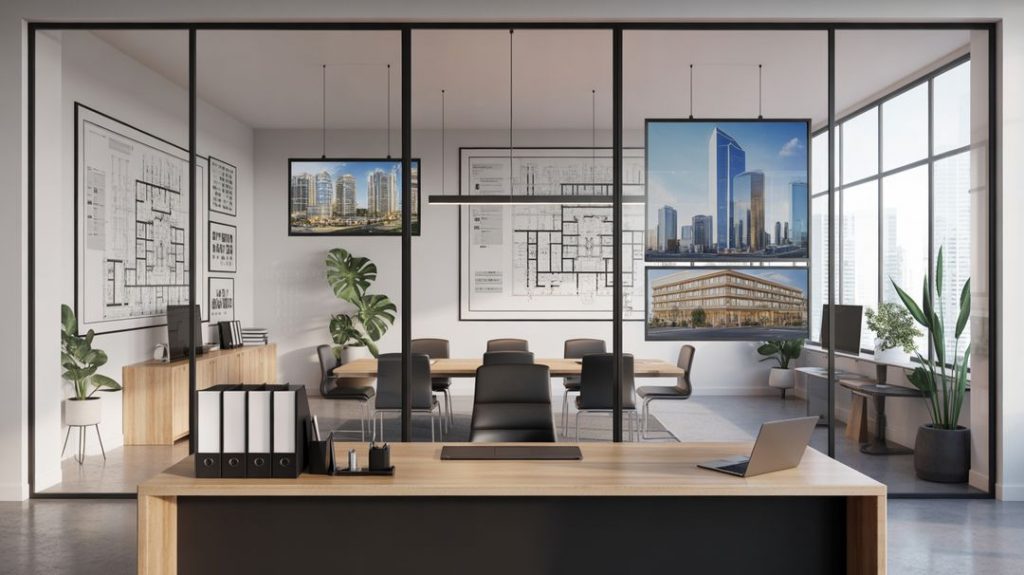
Home office design with modern workspace setup

Working from home has become a normal part of modern work life. But many people still struggle with one important thing — creating a comfortable and productive workspace. A thoughtful home office design can help you stay focused, organized, and motivated throughout the day.

Your workspace should not feel like a temporary setup on the dining table. With the right planning, layout, and furniture, your home office can become a space that supports both productivity and style. A simple approach to office design and fitout can transform even a small corner of your home into an effective workspace.

In this guide, we will explore practical home office design ideas that help you work better while also making your workspace look modern and inspiring.

Why Home Office Design Matters

A well-designed workspace does more than just look good. It helps you stay productive and maintain a healthy work routine.

According to a Stanford University study, employees working in well-organized home offices showed up to 13% higher productivity compared to those working in cluttered environments.

A smart home office design helps you:

  • Reduce distractions

  • Improve focus

  • Maintain work-life balance

  • Stay comfortable during long work hours

Professional workspace planners like Genesis Blink Facilities often highlight that even a small change in layout or lighting can improve productivity significantly.

Choosing the Right Location for Your Home Office

The first step in a good home office design is selecting the right place in your home.

Pick a Quiet Area

Choose a space where noise and distractions are minimal. This could be:

  • A spare room

  • A corner of the living room

  • A space near a window

Even a small area can work well if planned properly.

Make Use of Natural Light

Natural light improves mood and reduces eye strain.

Try to position your desk near a window so your workspace feels bright and comfortable. Good lighting is an important part of any office design and fitout plan.

Smart Furniture Choices for Home Office Design

Furniture plays a major role in productivity.

Ergonomic Desk and Chair

Comfort is essential when working long hours.

Look for:

  • Adjustable office chairs

  • Proper back support

  • Desks with enough leg space

This prevents posture issues and helps you stay comfortable.

Compact Storage Solutions

A clutter-free workspace improves focus.

Consider:

  • Wall shelves

  • Drawer organizers

  • Small cabinets

These help keep documents and devices organized.

A well-planned home office design always includes smart storage options.

Use Colors and Materials That Improve Focus

Color psychology plays a big role in workspace design.

Some good options include:

  • White or neutral tones for a clean look

  • Light blue or green for calmness and focus

  • Wood textures for warmth and comfort

Professional office design and fitout experts often use simple color combinations to keep the space professional but welcoming.

Keep Technology Organized

Modern workspaces depend heavily on technology.

Make sure your workspace has:

  • Proper cable management

  • Enough power outlets

  • Stable internet setup

  • Good desk lighting for video calls

Professional planners like Genesis Blink Facilities often include these technical elements in their office design and fitout planning to ensure smooth daily work.

Common Home Office Design Mistakes to Avoid

Many people unknowingly make design mistakes that reduce productivity.

Avoid these common problems:

  • ❌ Working from cluttered spaces

  • ❌ Poor lighting setup

  • ❌ Uncomfortable seating

  • ❌ Too many decorative items

  • ❌ Ignoring storage needs

A balanced home office design keeps the space clean, simple, and functional.

Future Trends in Home Office Design

Work-from-home culture is still evolving.

Some modern home office design trends include:

  • Multi-functional furniture

  • Minimalist workspace layouts

  • Smart lighting systems

  • Eco-friendly materials

Companies like Genesis Blink Facilities are already helping clients design flexible workspaces that support both remote work and productivity.

Conclusion: Design a Workspace That Works for You

A productive workspace does not require a huge room or expensive furniture. What matters most is thoughtful planning. A well-planned home office design improves comfort, reduces distractions, and helps you maintain a professional routine even while working from home.

Focus on:

  • Good lighting

  • Comfortable furniture

  • Clean layouts

  • Smart storage

  • Simple décor

When combined with practical office design and fitout strategies, your home workspace can become a place where ideas grow and productivity improves.

Remember, the best workspace is one that supports your daily work while also making you feel comfortable and inspired.

Frequently Asked Questions (FAQ)

Home office design refers to planning and organizing a workspace at home that supports productivity and comfort.

Choose a quiet location, use ergonomic furniture, maintain good lighting, and keep your workspace organized.

Neutral colors, light blue, and green tones are commonly used because they help improve focus and reduce stress.

A proper office design and fitout ensures the workspace is functional, comfortable, and suitable for long working hours.

Even a small corner of a room can work if the layout and furniture are planned well.